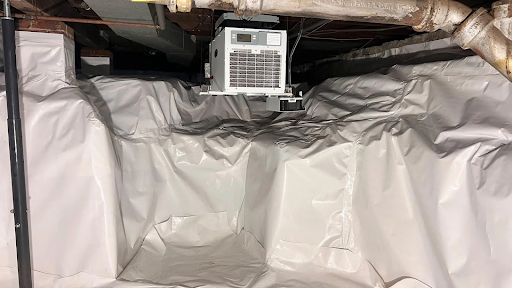
Many homeowners blame musty odors, warped floors, or allergy flare-ups on weather changes or poor ventilation, overlooking the real culprit—crawlspace humidity. Moisture silently damages insulation, wood framing, and indoor air quality.
Professional crawlspace dehumidification services address the root cause instead of masking symptoms with temporary fixes.
Understanding solution types makes choosing the right moisture control strategy much easier.
Smarter Comparison Framework—Matching Moisture Problems to the Right Fix
Choosing between moisture control options becomes easier when you compare the problem source with the right solution type.
Instead of focusing only on cost, this framework helps homeowners evaluate effectiveness, longevity, maintenance needs, and overall protection for their crawlspace environment.
Why Identifying Moisture Source Matters First
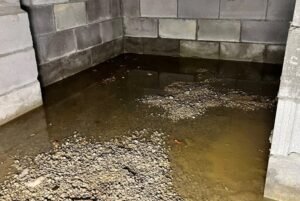
- Crawlspaces collect humidity from groundwater seepage, poor drainage, open vents, plumbing leaks, and humid outdoor air.
- The U.S. Environmental Protection Agency notes that indoor humidity above 60 percent significantly increases mold growth risk, making moisture source identification critical before selecting equipment.
Option 1: Portable Dehumidifiers (Temporary & Limited Control)
- Designed for small enclosed areas, not open crawlspace layouts.
- Lower upfront cost but higher long-term energy consumption.
- Require frequent emptying and monitoring.
- Limited moisture extraction capacity in high-humidity zones.
- Best For: Short-term humidity spikes or minor seasonal dampness.
Option 2: Built-In Crawlspace Dehumidifier Systems (Targeted Moisture Control)
- Engineered for large, open subfloor environments.
- Continuous drainage systems eliminate manual maintenance.
- Designed to work alongside vapor barrier installation and insulation systems.
- Improves whole-home air quality and structural longevity.
- Ideal for consistent humidity regulation and long-term protection.
- Often recommended within professional crawlspace dehumidification services for sustainable performance.
1.Energy & Efficiency Comparison
- Portable units cycle frequently, increasing electricity use.
- Built-in systems regulate humidity automatically using sensors.
- ENERGY STAR reports efficient whole-home dehumidifiers can reduce energy use by up to 20 percent compared to conventional models.
2.Installation & Maintenance Differences
- Portable units require homeowner setup and ongoing oversight.
- Built-in systems integrate with crawlspace waterproofing services, drainage solutions, and encapsulation layers.
- Professional installation ensures sealed environments and optimal airflow control.
- Maintenance plans reduce unexpected repair costs.
3.Moisture Control Effectiveness
- Portable devices treat surface humidity only.
- Built-in systems manage air circulation, moisture intrusion, and condensation points.
- When paired with crawlspace moisture control strategies like vapor barriers and insulation, results become long-term.
4.Upfront Cost vs Lifetime Value
- Portable units appear affordable but need replacement every few years.
- Built-in systems involve higher initial investment yet provide structural protection and lower risk of mold remediation expenses.
- Property value benefits favor permanent installations.
5.Compatibility With Other Crawlspace Solutions
- Portable units operate independently with limited impact.
- Built-in systems support “crawlspace repair near me” searches because they integrate with insulation upgrades, leak repairs, and waterproofing layers.
- Professional crawlspace dehumidification services typically combine multiple moisture-control techniques for better results.
Quick Comparison Snapshot
| Feature | Portable Units | Built-In Systems |
| Coverage Area | Small sections | Entire crawlspace |
| Drainage | Manual tank emptying | Automatic drainage |
| Energy Efficiency | Moderate to low | High-efficiency control |
| Maintenance | Frequent | Scheduled serving |
| Longevity | Short-term | Long-term solution |
| Best For | Temporary dampness | Persistent humidity issues |
Now that solution differences are clear, evaluating professional service providers becomes easier.
Service Quality Check: How to Tell Experts from Temporary Fix Providers
Choosing a contractor is often harder than choosing equipment. Many homeowners assume all providers deliver similar results, but service quality dramatically affects moisture control success, long-term protection, and overall home health.
Here is how to distinguish dependable professionals from quick-fix operators.
1.Inspection Depth vs. Surface-Level Checks
Reliable providers start with detailed crawlspace inspections using moisture meters, structural assessments, and airflow analysis.
At Your Crawlspace Solutions, we examine insulation condition, vapor barrier gaps, leaks, and humidity patterns before recommending crawlspace dehumidification services.
Quick fixers often skip diagnostics and push generic units that fail to address root causes.
2.Whole-System Planning vs Single-Product Selling
Effective moisture control rarely comes from just installing a dehumidifier. Trusted professionals design integrated solutions that may include vapor barrier installation, crawlspace waterproofing, leak sealing, insulation upgrades, and drainage improvements.
Companies focused only on selling equipment may overlook conditions that reduce system efficiency and lifespan.
3.Moisture Prevention vs. Temporary Humidity Reduction
According to the U.S. Environmental Protection Agency, indoor humidity should be maintained between 30 and 50 percent to prevent mold growth and air-quality issues.
Professional crawlspace dehumidification services focus on preventing moisture re-entry through encapsulation and sealing, while temporary solutions only reduce humidity levels without stopping infiltration.
4.Licensed Protection vs Unverified Workmanship
Qualified contractors follow building codes, carry insurance, and comply with safety standards for structural and moisture-control work. Improper installations can damage subflooring, insulation, and support beams.
Certified technicians ensure repairs meet safety guidelines and manufacturer specifications, protecting homeowners from future liabilities.
5.Structured Repair Plans vs One-Day Install Promises
Quick installers promote fast completion, but serious crawlspace problems require staged repairs.
We create structured plans covering inspection findings, recommended improvements, installation timelines, and performance expectations.
This approach ensures crawlspace dehumidification services deliver measurable, long-term humidity control rather than short-lived improvements.
6.Long-Term Monitoring vs Install-and-Leave Service
Moisture conditions shift seasonally. Reliable providers schedule follow-up inspections, system checks, and maintenance visits to ensure performance remains stable.
Ongoing support helps detect new leaks, insulation sagging, or drainage failures before they escalate into structural damage.
7.Air Quality Focus vs Equipment-Only Mindset
The National Institute of Environmental Health Sciences reports that damp indoor environments increase respiratory risks and allergen exposure.
Professional crawlspace dehumidification services prioritize healthier indoor air by reducing mold-friendly conditions rather than simply installing mechanical units.
8.Transparent Communication vs Vague Estimates
Dependable contractors explain moisture sources, repair priorities, and system limitations in clear terms. Homeowners receive detailed estimates, service explanations, and maintenance guidance.
This transparency builds trust and ensures clients understand how crawlspace dehumidification services protect property value.
Smart Homeowner FAQs: Moisture Control Made Simple
Q1: How Do I Know If My Crawlspace Needs Professional Moisture Control?
Answer: Musty odors, sagging insulation, visible mold, or indoor humidity spikes often signal trapped moisture. Professional inspections identify hidden damage and recommend suitable crawlspace dehumidification services.
FAQ 2: Are Portable Dehumidifiers Enough for Crawlspaces?
Answer: Portable units help small areas but struggle with persistent moisture. Larger spaces benefit more from sealed systems and professional-grade crawlspace dehumidification services.
FAQ 3: How Long Does Moisture Protection Last?
Answer: System lifespan depends on installation quality, sealing effectiveness, and maintenance. Professionally installed solutions with follow-up inspections provide longer, more consistent performance.
FAQ 4: Can Moisture Problems Affect Energy Bills?
Answer: Yes. Damp insulation loses efficiency, forcing HVAC systems to work harder. Proper humidity control improves energy performance and indoor comfort.
FAQ 5: Do Professionals Handle Mold and Structural Risks Too?
Answer: Experienced contractors assess mold presence, wood rot, and insulation damage alongside humidity concerns, ensuring complete protection instead of partial fixes.
With service differences clarified, it becomes easier to evaluate final decision factors next.
Final Word: Smart Moisture Protection Starts With the Right Partner
At Your Crawlspace Solutions, we believe protecting your home starts with choosing solutions that address root moisture causes, not temporary relief.
The right crawlspace dehumidification services should align with your home’s size, humidity level, and long-term structural needs.
Portable units may suit minor concerns, while built-in systems pair better with vapor barriers, waterproofing, and insulation upgrades for lasting protection.
We guide homeowners through detailed inspections, structured repair plans, and ongoing maintenance so problems do not resurface.
From crawlspace cleanouts and leak repairs to humidity control and air-quality improvements, our approach safeguards both property value and comfort.
Ready to protect your home long-term? Contact us today to explore crawlspace dehumidification services tailored to your needs.